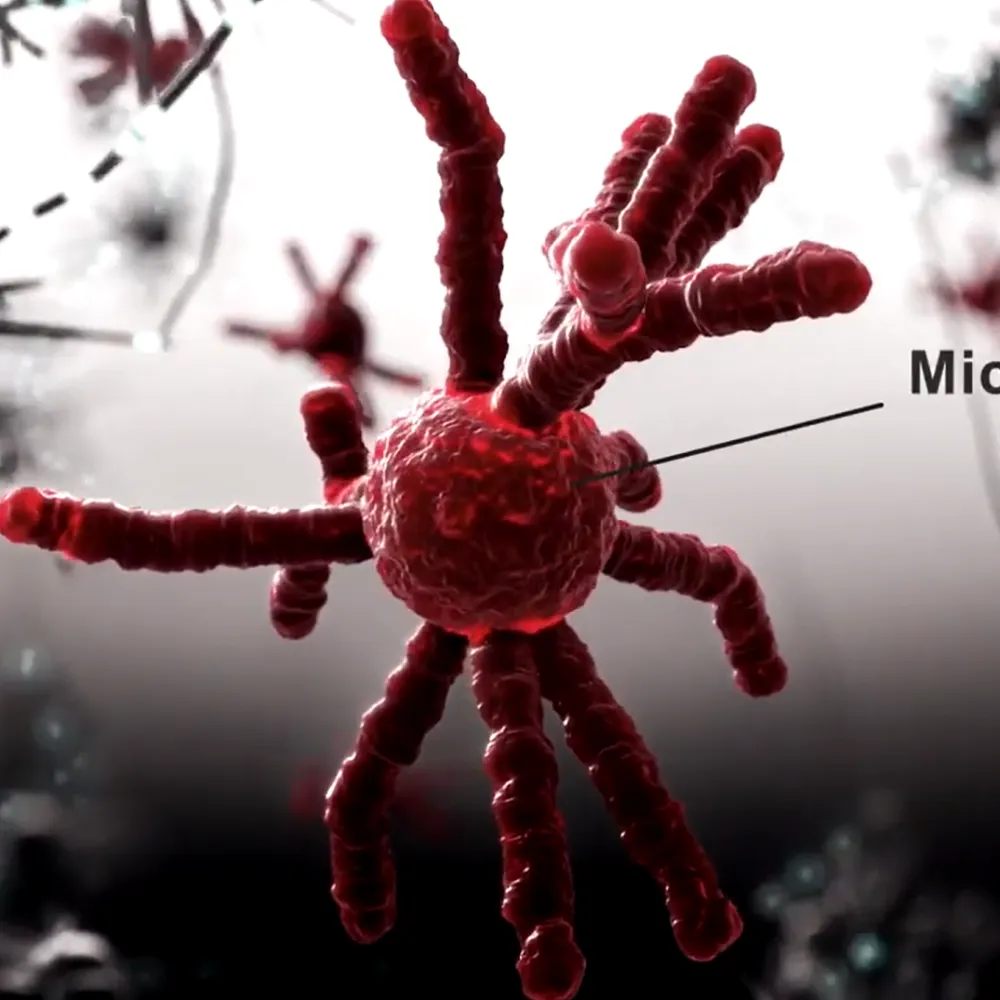
Our research focus
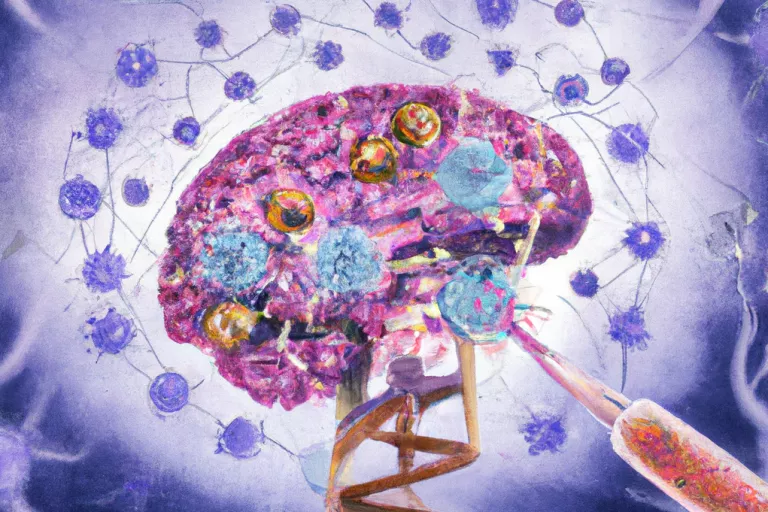
The Neuroimmunology (NIM) Lab studies how the immune system shapes brain function in health and disease
We focus on lymphocytes, especially T cells, and how they interact with neurons, astrocytes, and microglia to influence brain plasticity, neurodevelopment, and neurodegeneration.
Why this matters
Immune processes are now recognized as central to disorders once viewed as purely “neurological.” By defining when lymphocytes help (support plasticity, repair) and when they harm (fuel pathology), we aim to deliver:
- Mechanistic insight into brain–immune communication
- Actionable biomarkers for early detection and patient stratification
- Rational intervention points for immunomodulatory therapies in neurodegenerative and neurodevelopmental disease
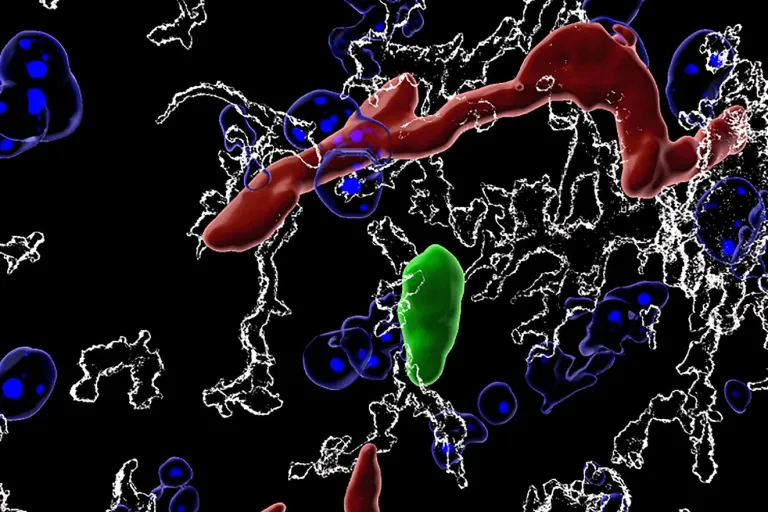
How we work
We take a multidisciplinary, translational approach that bridges immunology, molecular and cellular neuroscience, biochemistry, and behavioral neuroscience. To map the brain’s immune landscape with high precision we use:
- Single-cell multi-omics (transcriptomics/epigenomics) to profile states and lineages
- Spectral flow cytometry for deep immune phenotyping
- High-resolution and intravital microscopy to visualize cell–cell interactions in situ
- Functional assays in mouse models, human tissues, and organoid/co-culture systems